WOODWORKING
Wood is a hygroscopic material, meaning that it is affected by the surrounding relative humidity and temperature. This usually results in drastic dimensional changes to the wood, which will certainly cause headaches during the production process.
A few examples include, but are not limited to, warping & cupping of boards, cracking of hardwood & veneer, delamination & gluing issues, increased airborne dust, and deformation problems in assembly. These issues will certainly cut into the margin and, over time, will amount to greater losses as production expands.
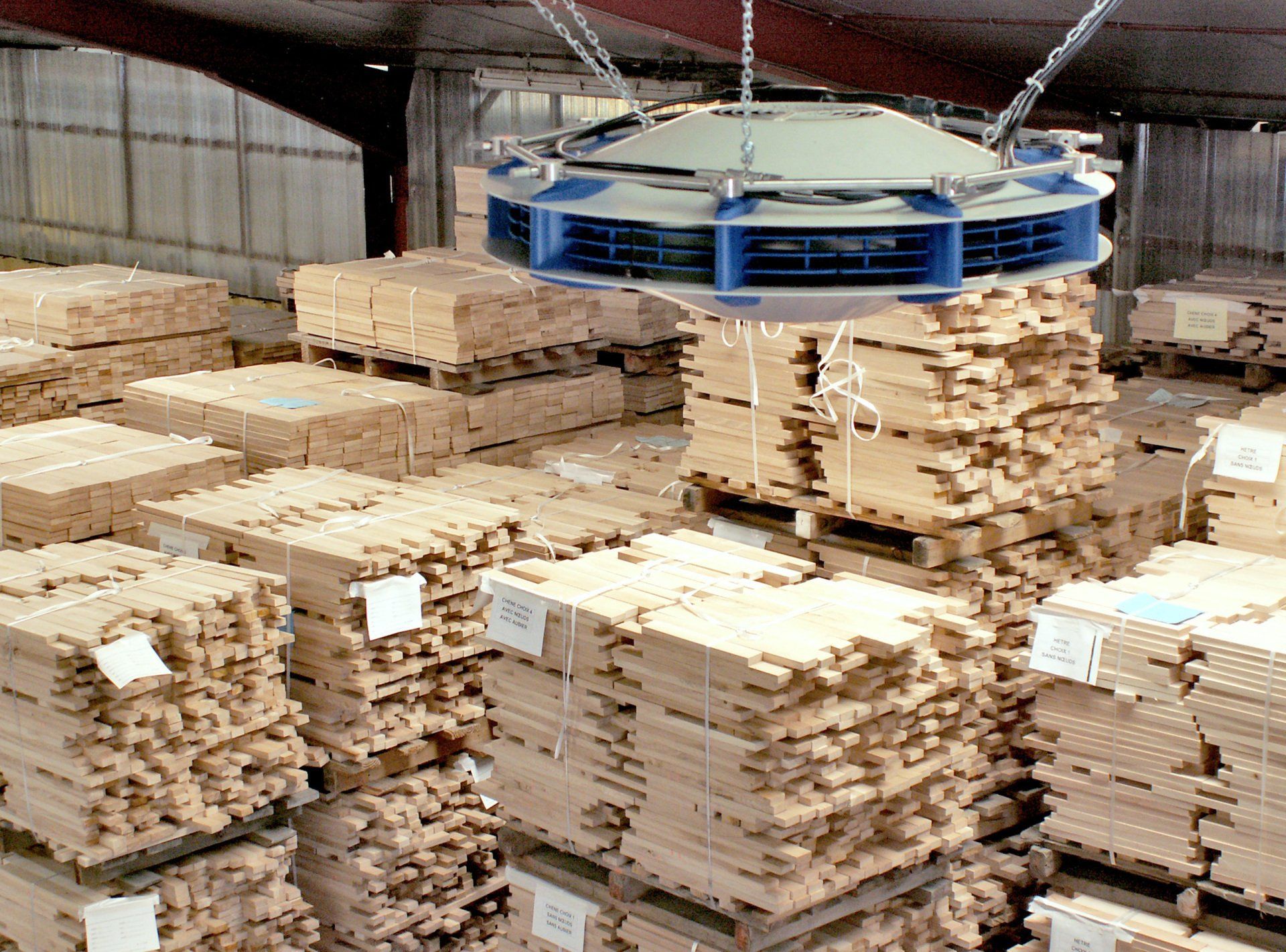
Whether you are located in a dry climate or have problems with seasonal changes, maintaining a constant relative humidity of 40-50% and an ideal constant moisture is key. By accomplishing this, it will benefit the greater production process and will cut costs such as damages, defects, and rework.
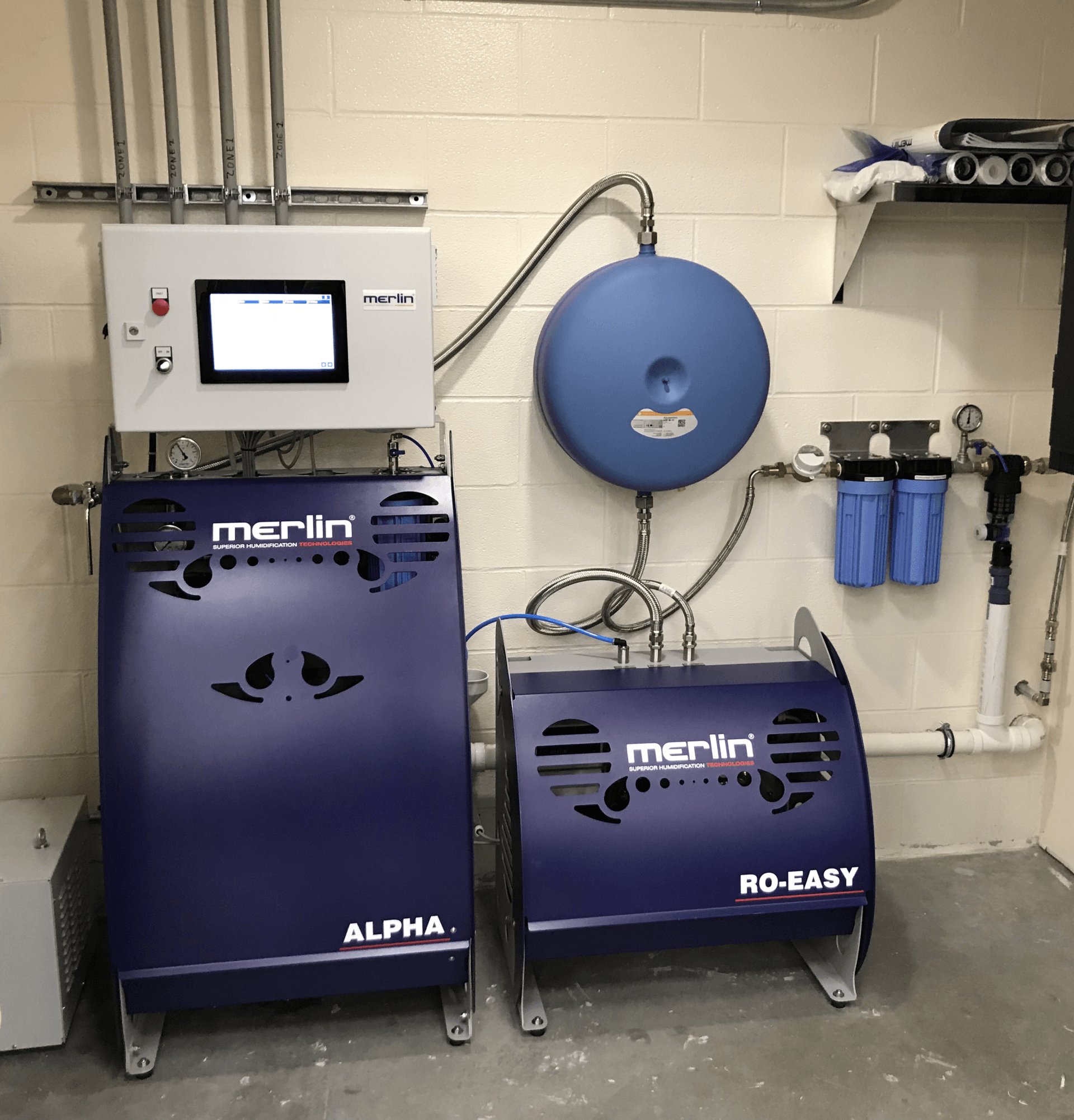
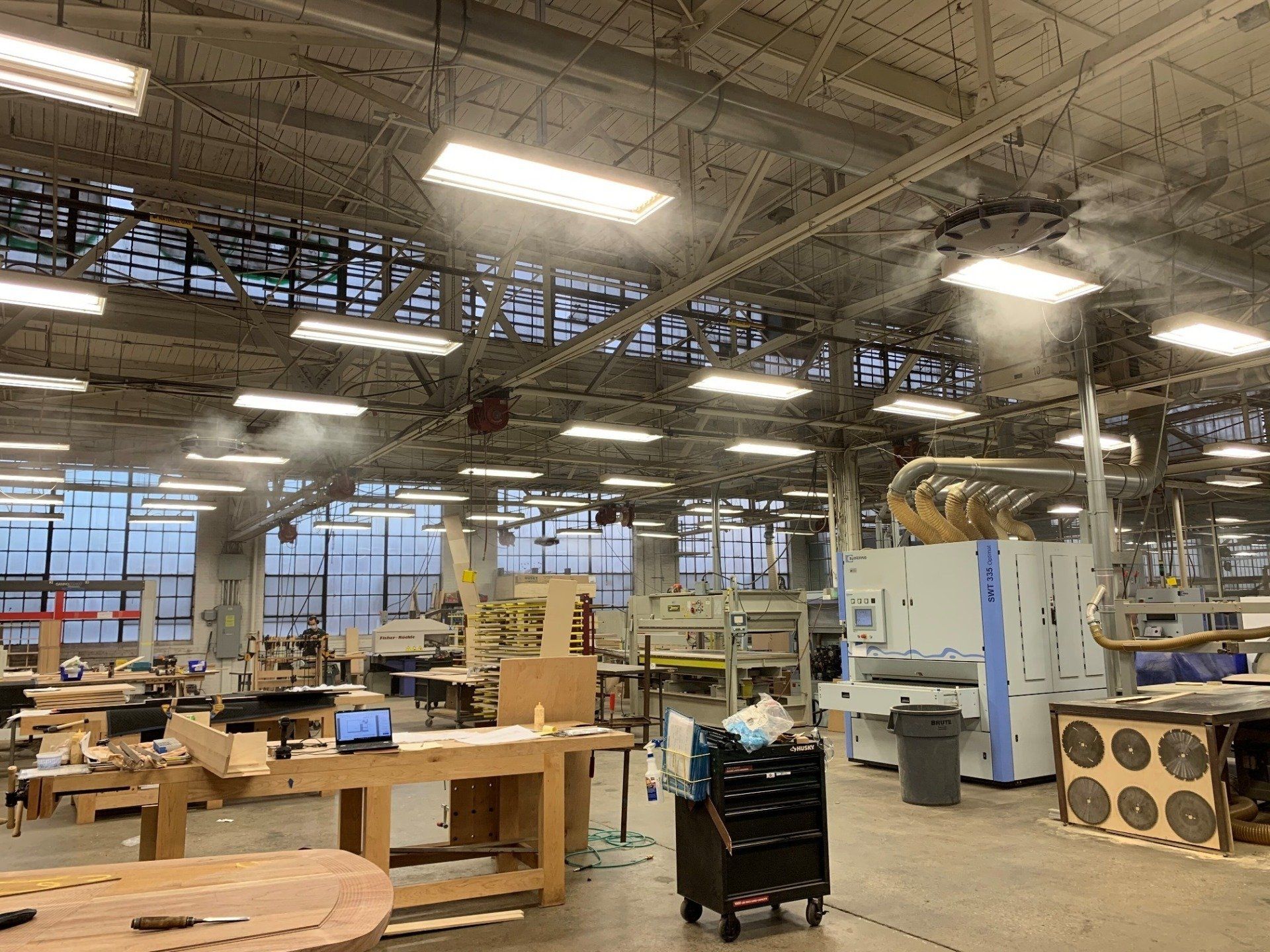
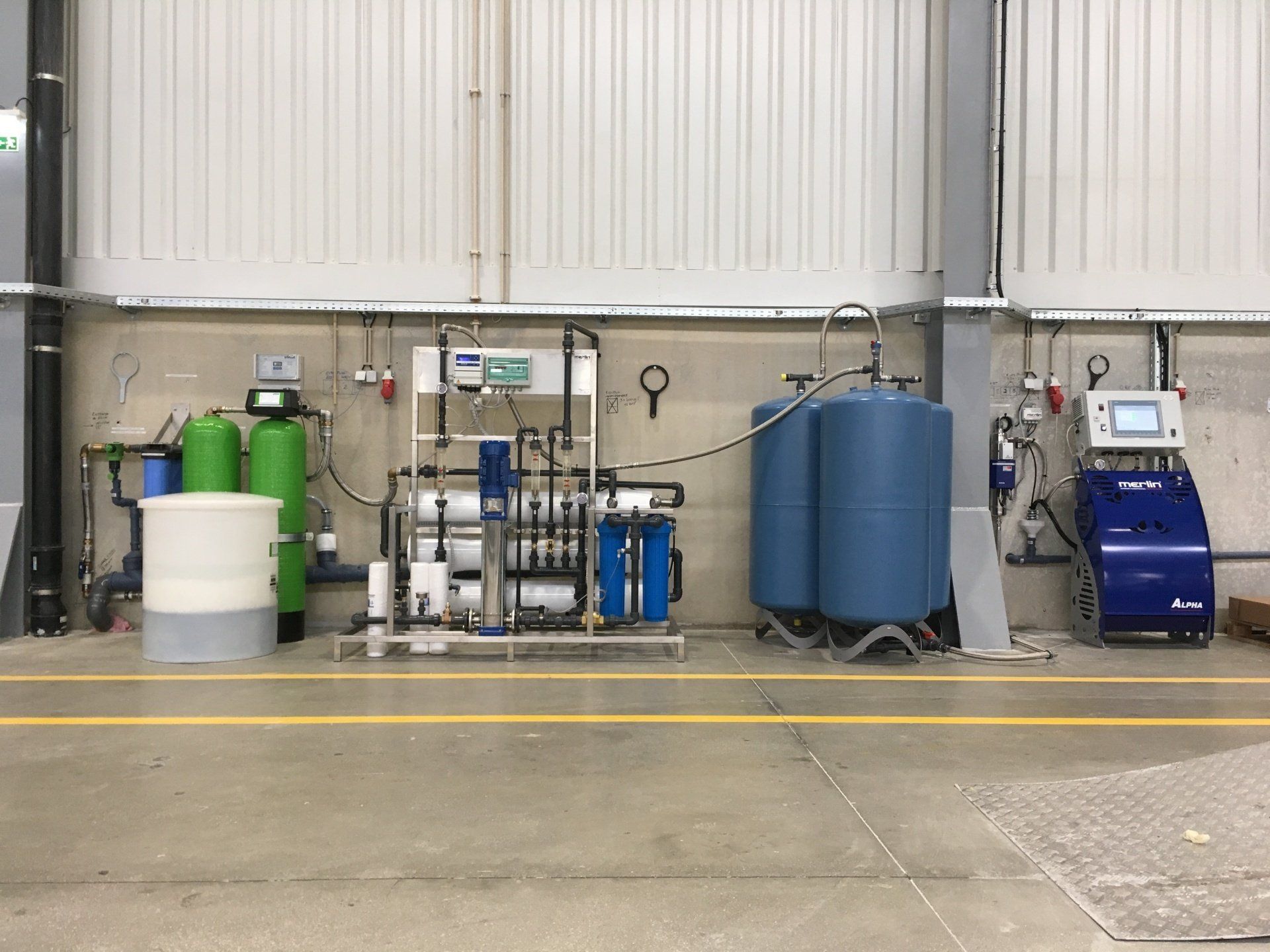
As a hygroscopic material, wood constantly interacts with its environment, making consistent woodworking humidity control essential for quality manufacturing. At Merlin Technologies, we understand that fluctuating moisture levels can wreak havoc on your production line. We provide specialized commercial humidification systems that woodworking professionals rely on to maintain ideal conditions—typically 40-50% relative humidity—eliminating the headaches caused by drastic dimensional changes.

Solving Common Production Problems
Without proper humidification, manufacturers frequently face costly issues. Dry air pulls moisture from wood, leading to the warping and cupping of boards, cracking of delicate veneers, and unpredictable gluing failures. Furthermore, dry environments increase airborne dust and electrostatic charge, causing significant finishing imperfections.
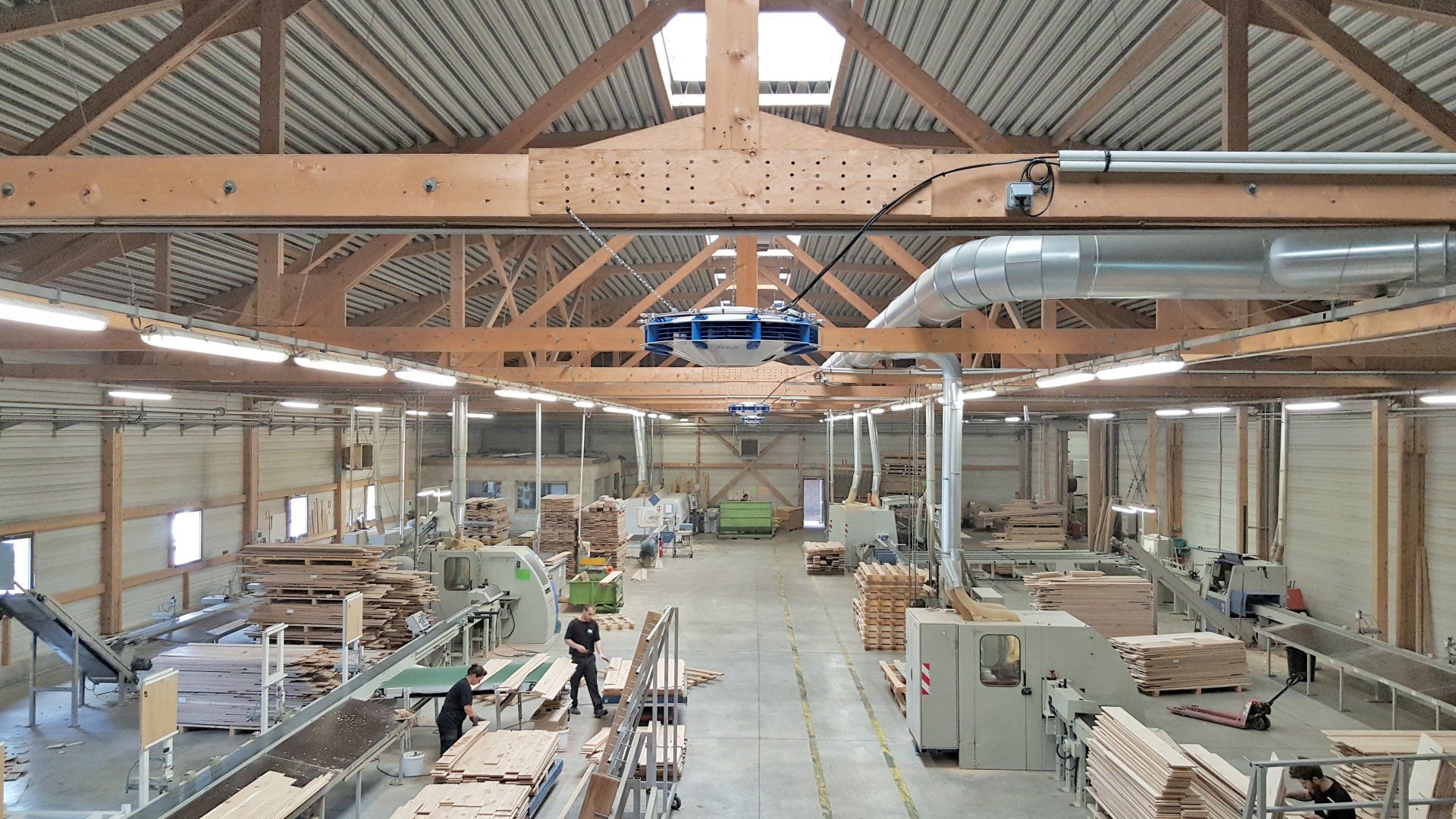
Our custom-tailored solutions directly combat these problems. By maintaining consistent humidity, our systems improve gluing and finishing processes, reduce airborne dust by up to 80%, extend tool life, and significantly cut down on waste and rework. To ensure materials are always at the perfect moisture content, pairing our systems with a professional wood moisture meter allows for superior monitoring and quality assurance from receiving to final assembly.
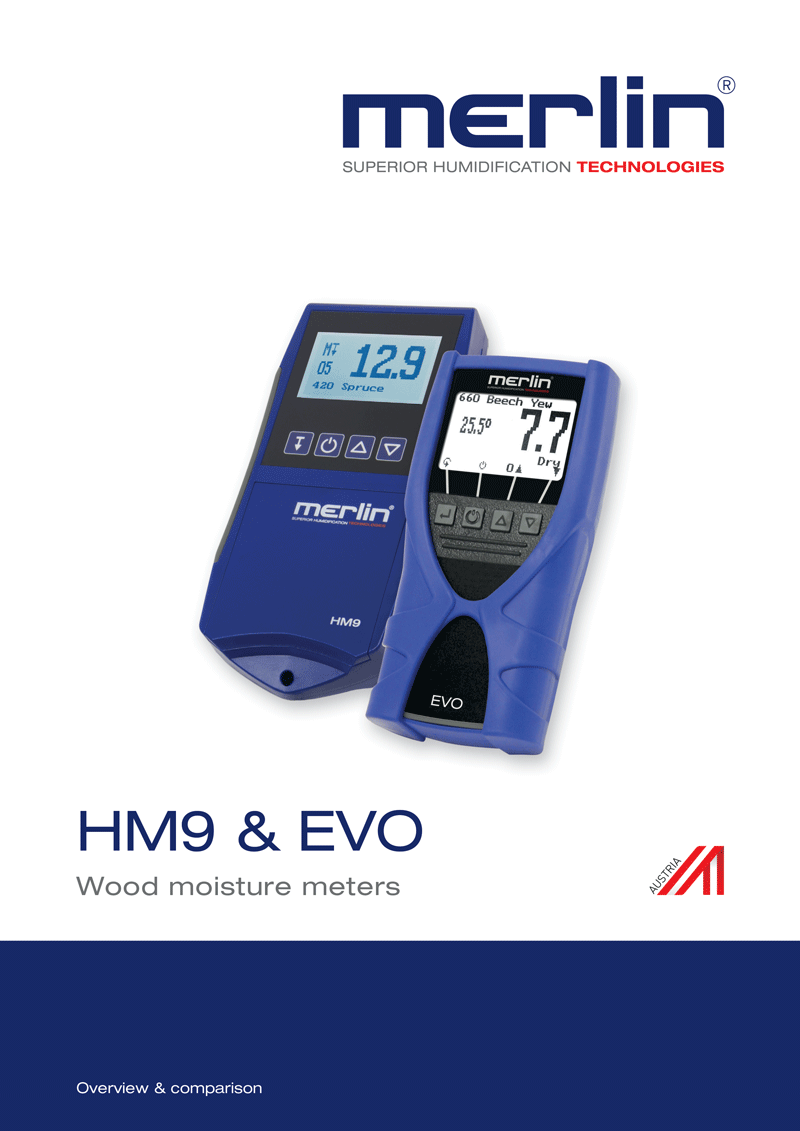
"Just wanted to let you know we as a company are extremely happy with the humidification system installed almost 2 years ago. To add to this we purchased the HM9 moisture meter and the EVO FC Wood and humidity moisture meter. Both units are used regularly to check new product when received and to monitor product and building conditions. These units are easy to use and are superior to the older meters we had been using in the past. We would recommend this product to anyone looking for ease of use and accuracy. Thanks for great products."
Tim Heinz, Imperial Woodworking Co.


Frequently Asked Questions
Why is humidity control important in woodworking?
Wood expands and contracts based on ambient moisture. Maintaining a stable relative humidity prevents defects like cracking and warping, ensuring high product quality and reducing wasted materials.
How do humidification systems reduce airborne dust?
Properly humidified air causes dust particles to bind with moisture, making them heavier so they settle rather than remaining airborne. This can reduce airborne dust in your shop by up to 80%.
Why do I need a moisture meter if I have a humidification system?
A professional wood moisture meter is your quality control checkpoint. While your humidification system controls the environment, a meter verifies that incoming lumber and finished products are at the precise moisture content required.